Our Regenerative Nature Initiatives
Explore the impactful projects and initiatives pioneered by Kanuka Mid-Canterbury Regeneration Trust aimed at restoring biodiversity and fostering environmental education within our vibrant community.
Fairton School
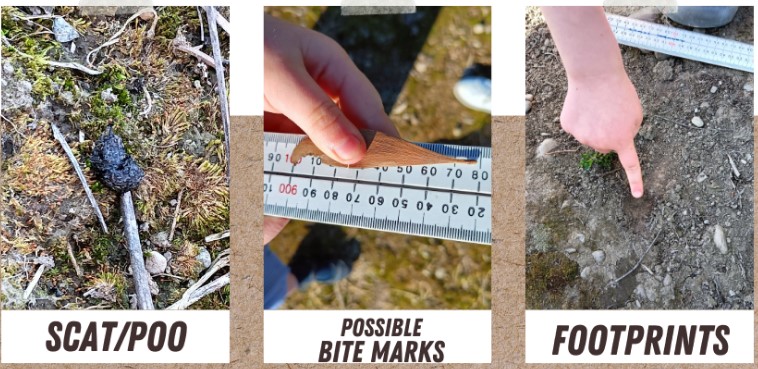
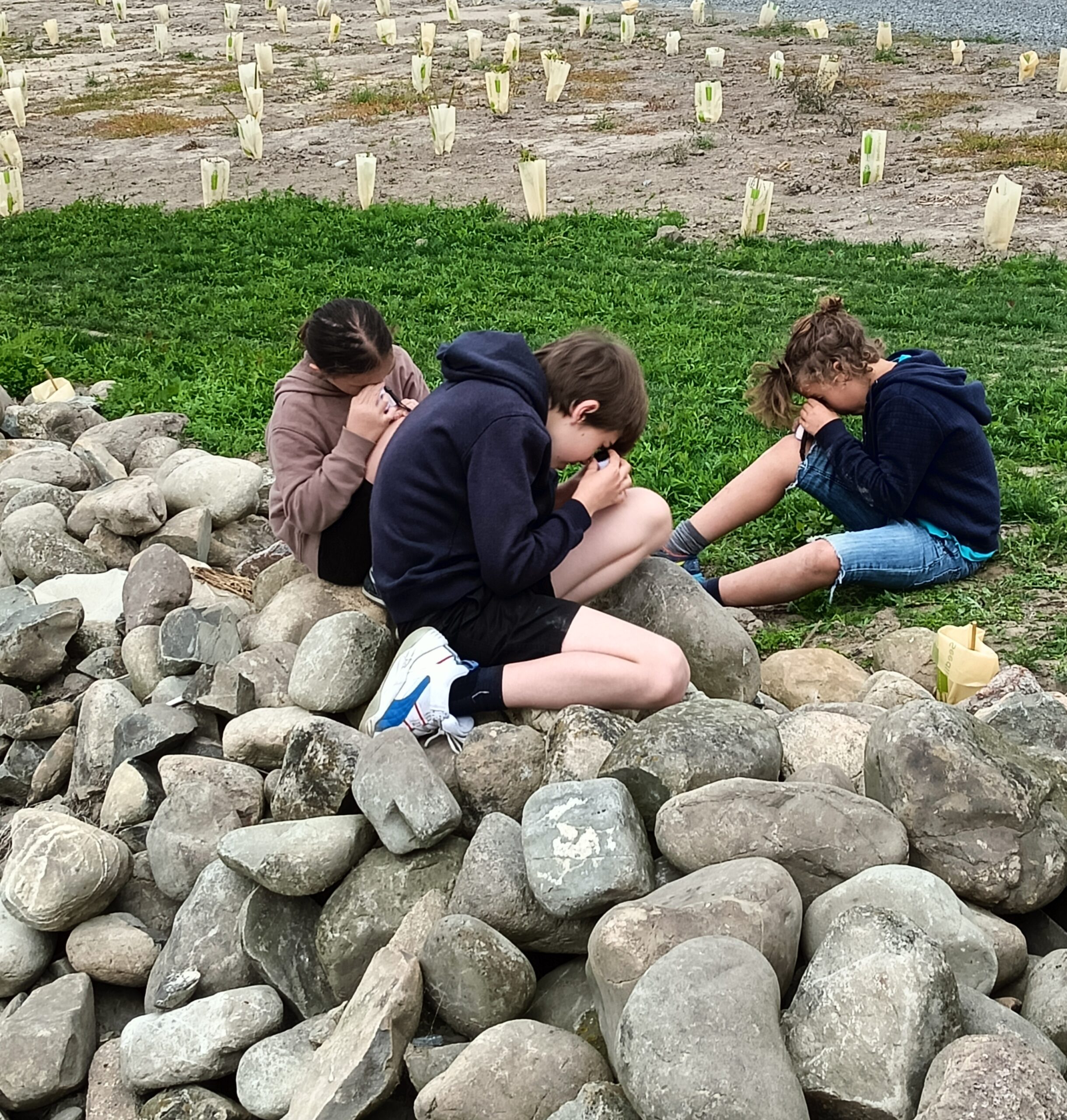
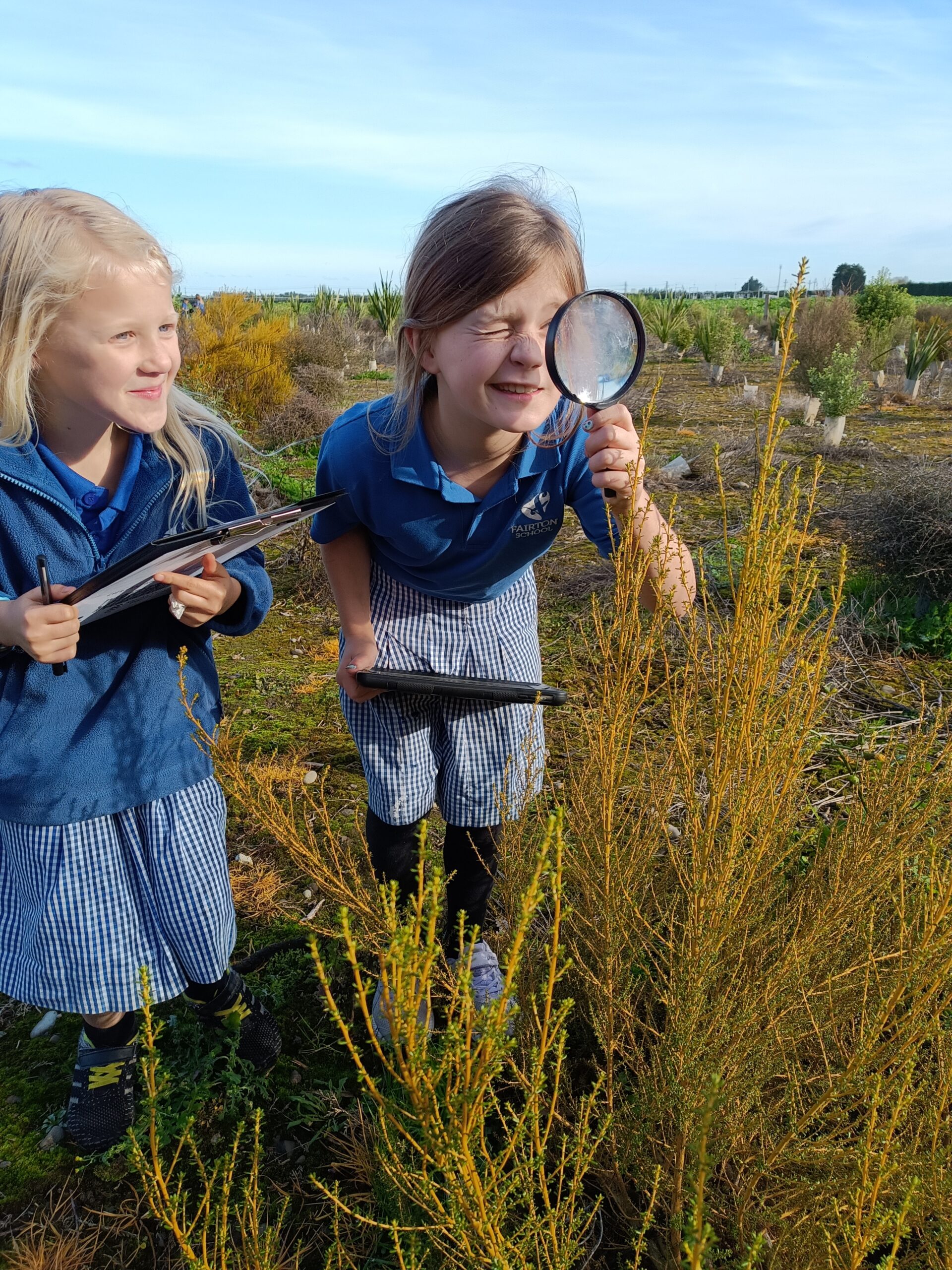
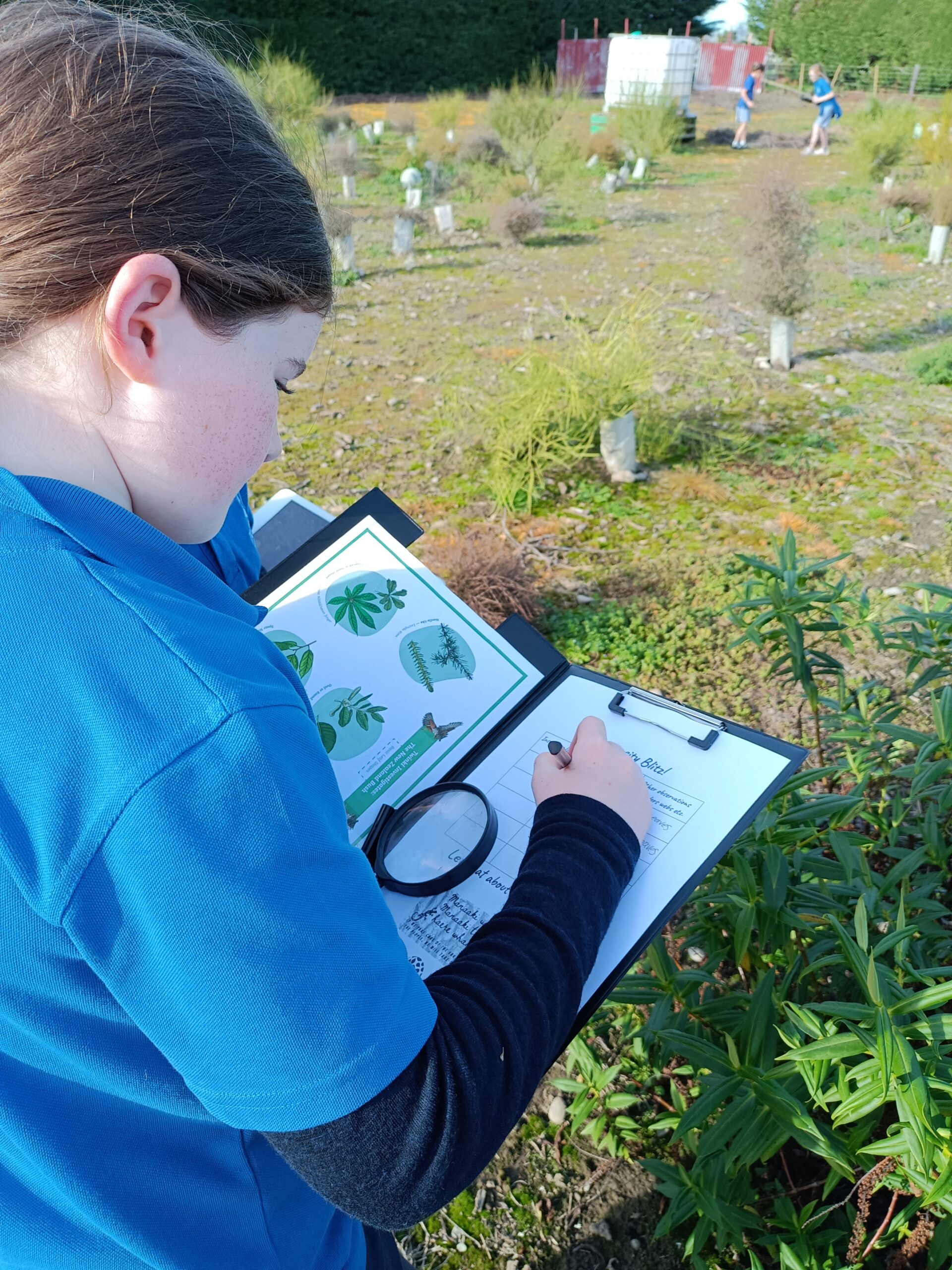
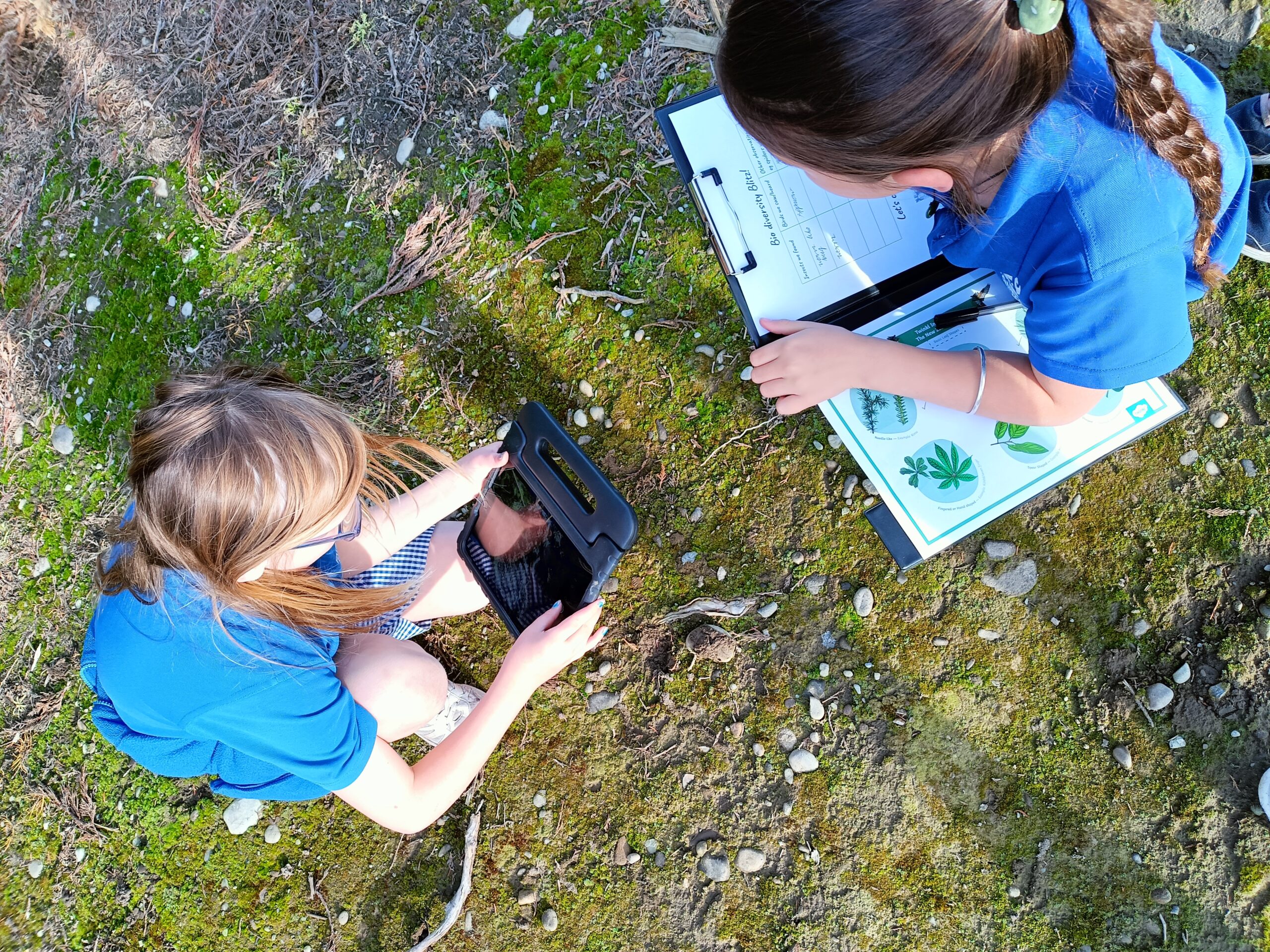
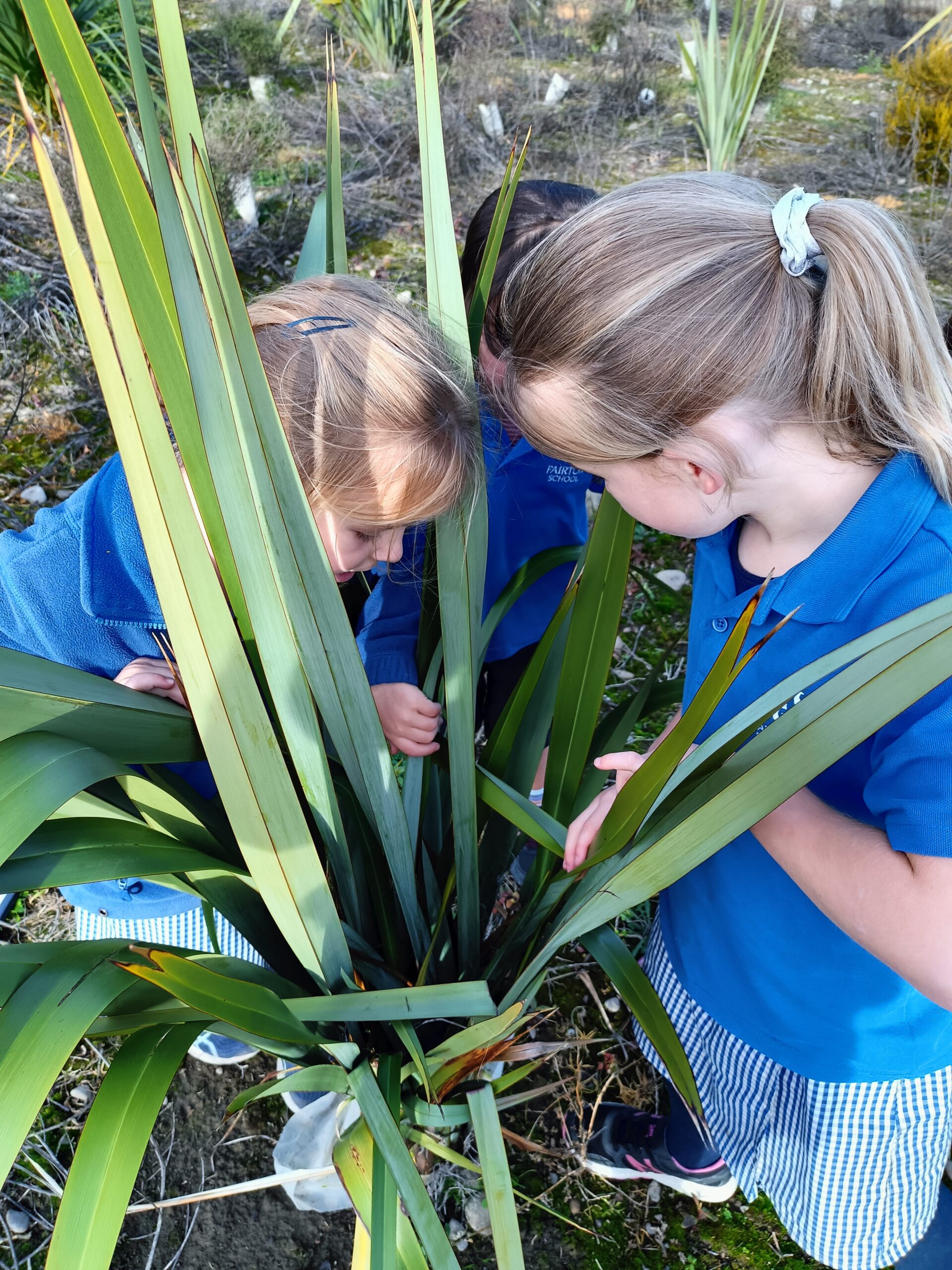
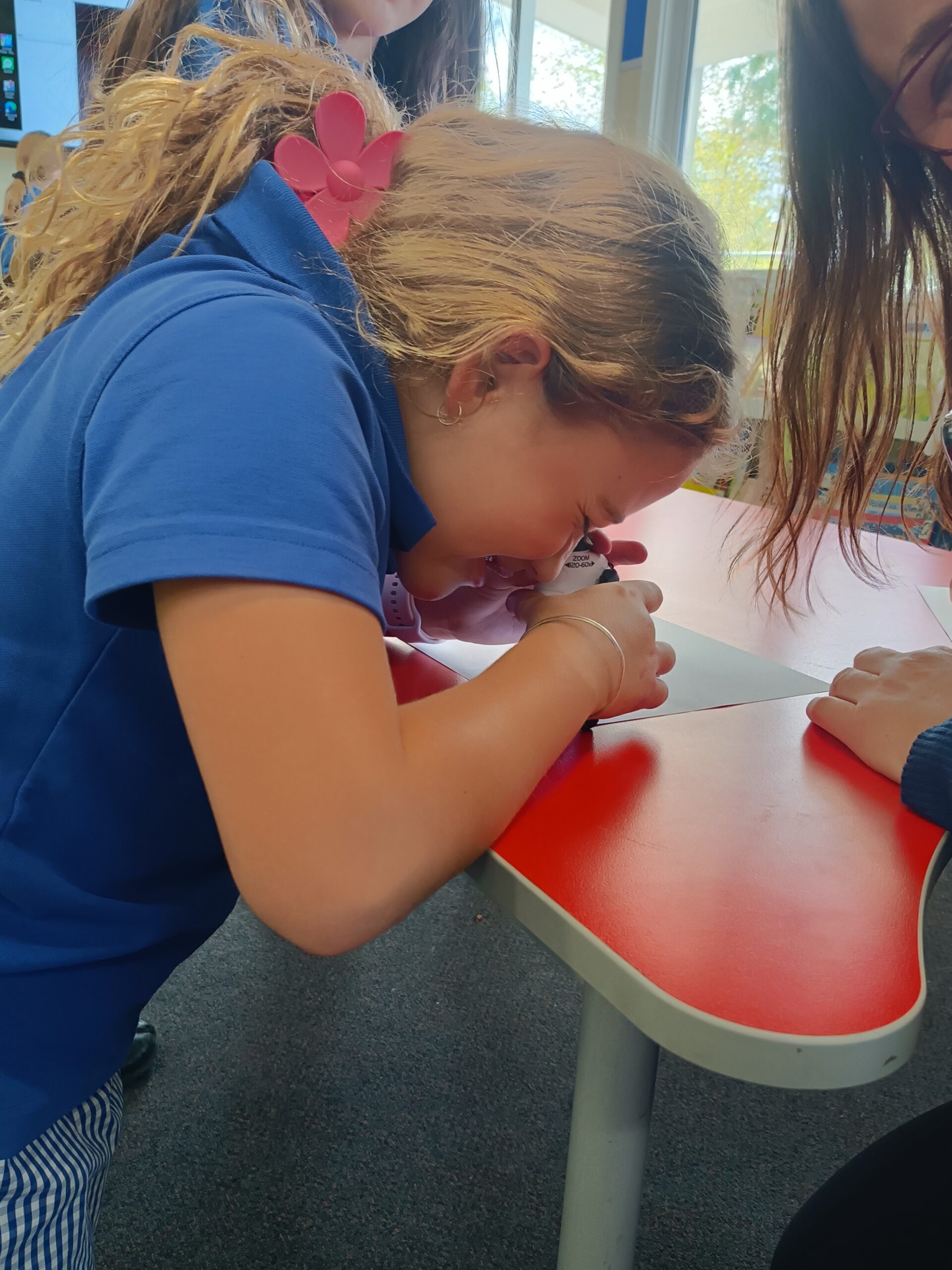
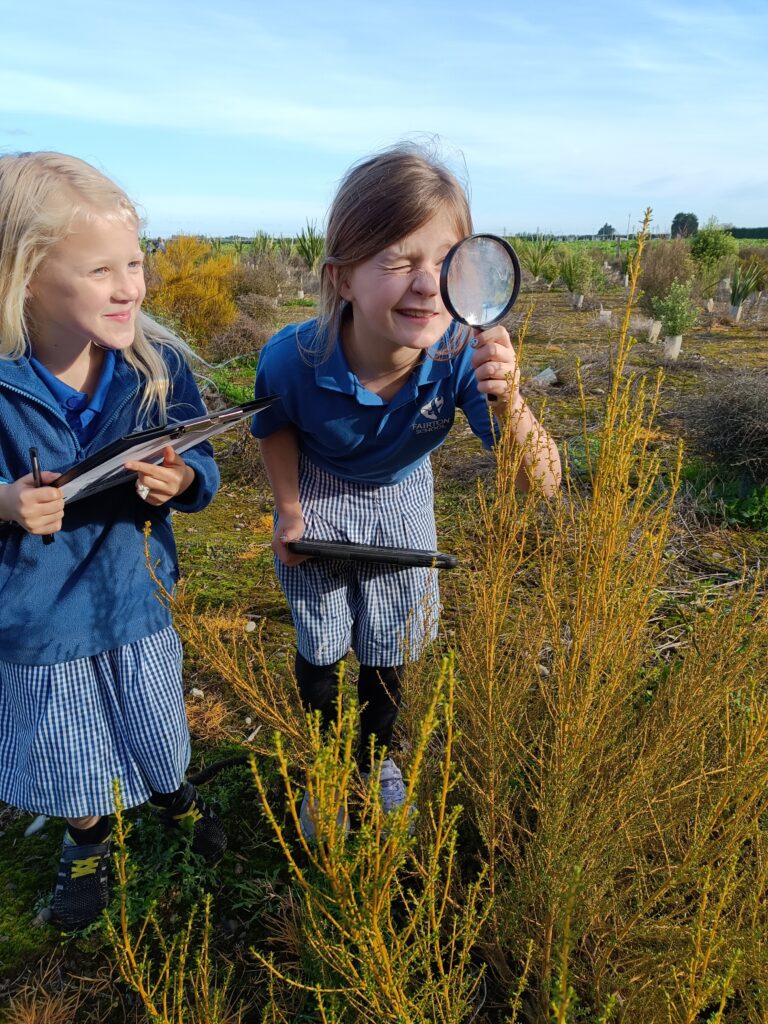
The pupils have already spent time observing the habitat that they have created.
The Trust Board and the Community Connector have received the following feedback
from Aaron Chudleigh, the General Manager of Talley’s Ashburton.
“A really cool project last year was a project we did with Fairton School, and
the Kanuka Mid Canterbury Regeneration Trust supported by Advance Ashburton.
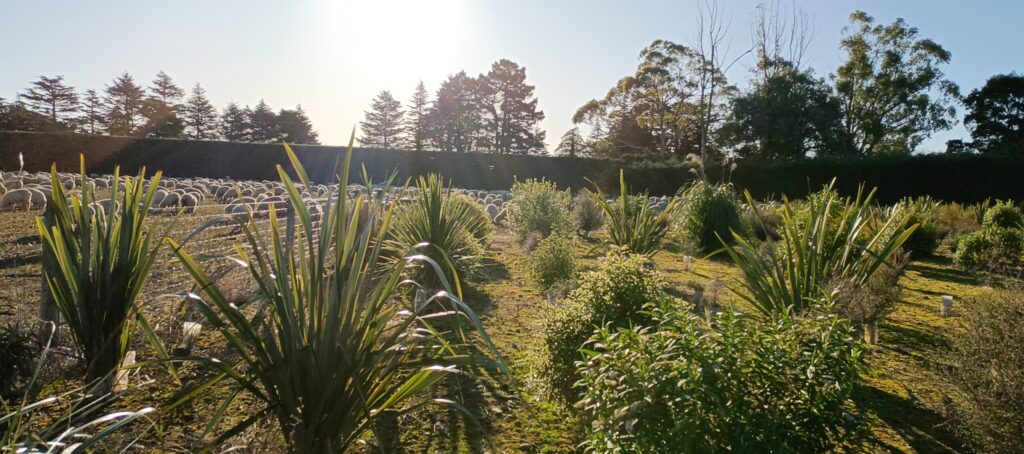
The project has seen an empty paddock next to the school transformed into a nature
reserve.”
“Talley’s is delighted to have the opportunity to help out with this native
area.”
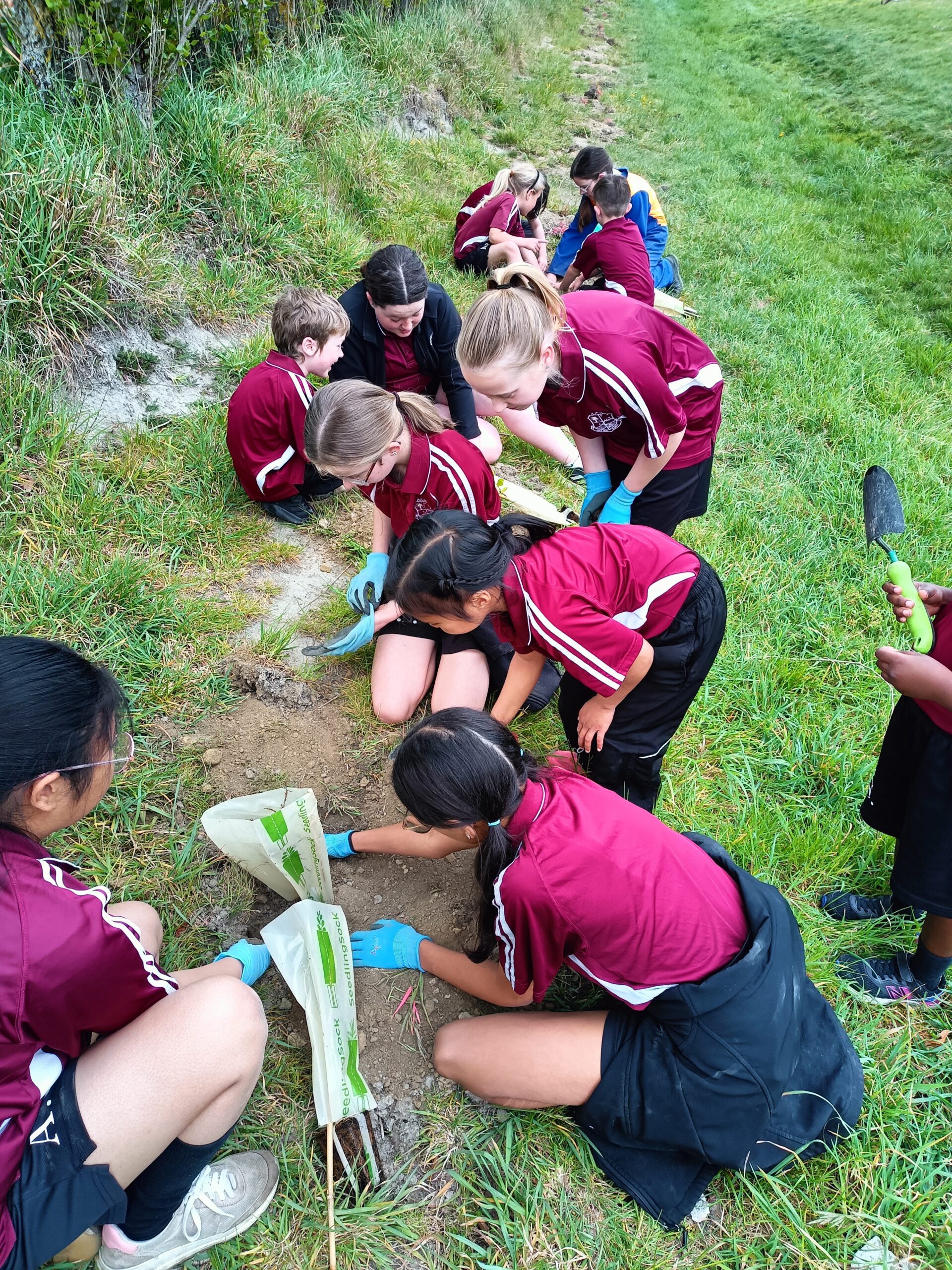
“It was great to see the Fairton School children’s enthusiasm and the efforts being put
in by them, school staff, and parent helpers along with the Kanuka Trust team, in
creating the lizard garden space as part of the outdoor learning area development.”
Hinds School
Hinds School have been working alongside Angela Cushnie and the Kanuka Trust team since early 2019, and were very fortunate to be included as one of the pilot schools for their Exploring Our Footprint school programme.
This has enabled us to expand our knowledge of, and engagement with, the environment through kaitiakitanga projects (guardianship and protection of our land and water). Over time our students, teachers and the wider community have become kaitiaki of their environment in Hekeao Hinds district and learnt a great deal about our natural heritage.
Exploring Our Footprint highlights which have facilitated this learning include:
Mudfish Minions
Visited a farm which has mudfish, learnt about their habitat and turned these learnings into something we could then teach others through song, artwork, and video presentations.
Hinds Community Planting
Collaborated with a local landowner and Hinds and District Lions to plant a high-profile area in three biodiversity categories: riparian planting, wetland planting and dryland planting. We use this as an example of “right plant, right place”.
Hinds Reserve Biodiversity Enhancement Project
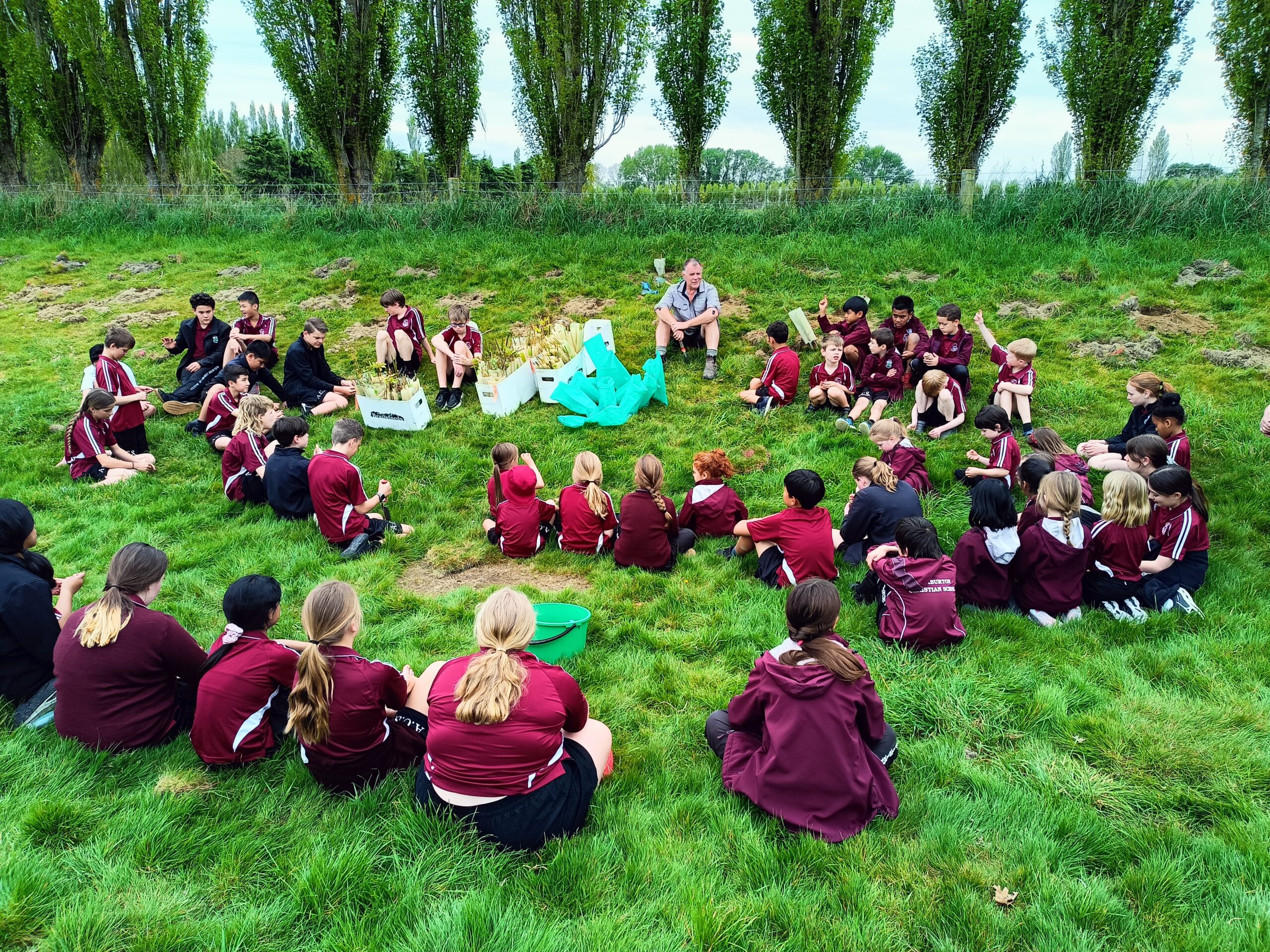
For the past two years we have joined the wider community for planting days at the Hinds Reserve (domain) where over 2,000 native plants have transformed the area. This is a fantastic outdoor classroom for students to learn and experiment.
William Pike Community Service
Ongoing maintenance of plants at the Hinds Reserve including mulching, weeding, removing plant covers and picking up rubbish etc.
We continue to learn what is unique about our local environment and have ongoing projects such as the protection and enhancement of a special remnant bush which grows along our fence line called Muehlenbeckia complexa – this year’s focus.
Ashburton Intermediate
In term 1 2026, The Kānuka Mid Canterbury Restoration Trust was approached by Ashburton Intermediate School to provide extra learning for their year 8 students on their Peel Forest Camp.
The school had four, week long camps with an average of 50 students per camp. On top of the camp visit, Kānuka Trust visited each class the week before their camp for an hour introduction to the organisation and why we will be at camp and an hour debrief to get feedback and answer any questions that the students had after our visit.
The camp session was on a Tuesday to allow for the information provided to enhance the students experience in Peel Forest. We put together resources specific to the Peel Forest area, covering some of the native birds, insects and plants found in the area. We discussed the importance of everyone helping in any way they can to protect our native world and shared information on some of the most prominent pests, both plants and animals. We focused on the predator free 2050 target list and finished off with demonstrating the various types of traps from live capture to kill traps used by individuals and organisations.
The whole program was well received by the students and staff alike with the teachers expressing interest in not just repeating but building on the program in 2027.